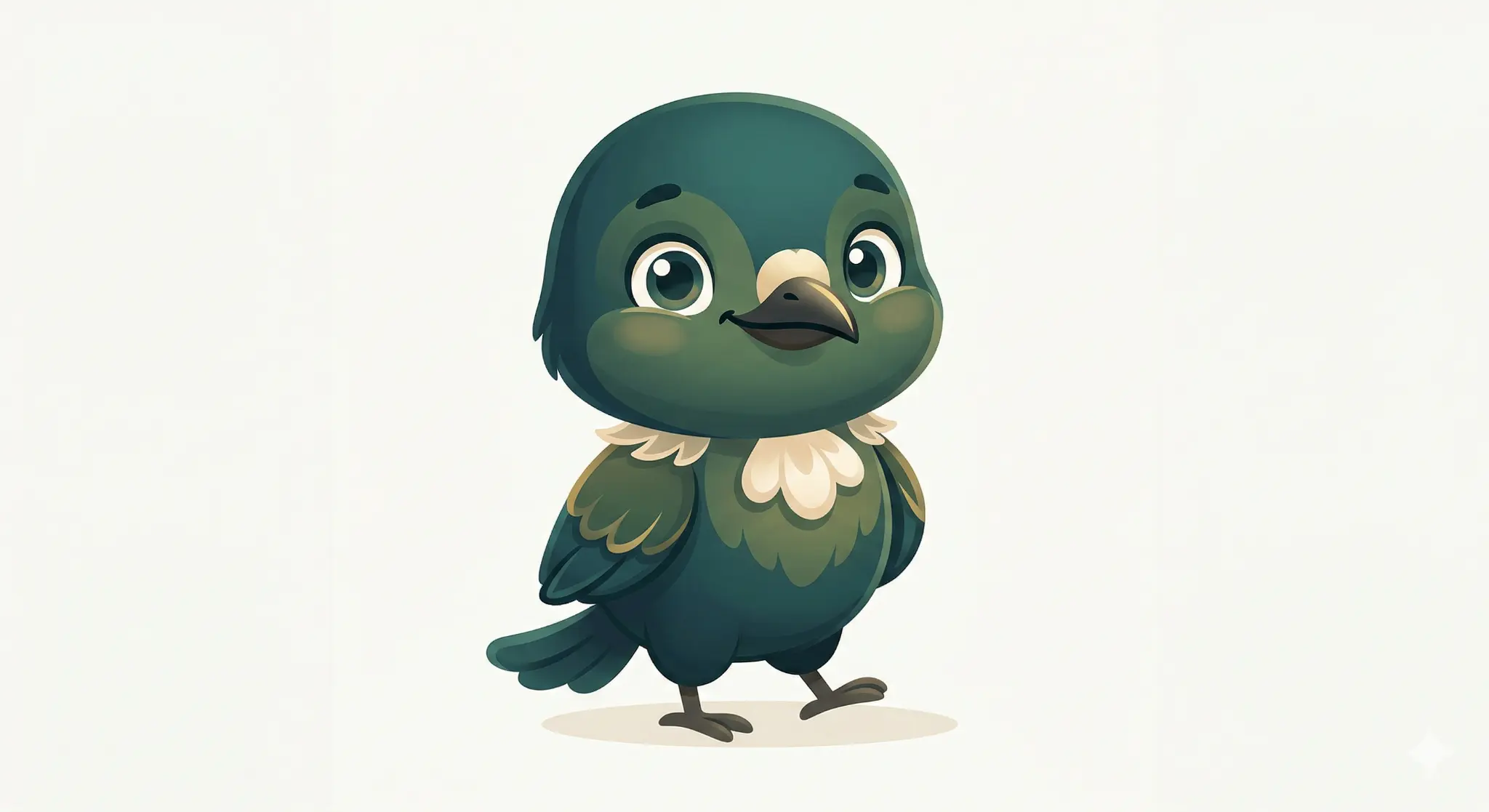
Tui
Primary guide and voice
Tui introduces each moment, repeats kupu aloud, and keeps the experience conversational, reassuring, and easy to follow.
Playful te reo Māori learning for young children
Playful te reo Māori learning for young children
Te reo Māori for everyday moments
Ako Tamariki helps whānau bring te reo Māori into everyday life through short, playful learning moments, while giving early learning settings a trusted way to support young children through sound, play, and repetition.
Voice-first guidance
These small voice moments show how spoken guidance can welcome, prompt, and encourage a child through the learning journey.
Play welcome
A warm greeting that introduces the world of Ako Tamariki.
Spoken preview
Kia ora e hoa. Haere mai. Me ako tātou i ētahi kupu hou.
Play find-the-word prompt
A guided play instruction showing how spoken prompts lead the child.
Spoken preview
Kei hea te kuri? Titiro pai, kātahi ka pāwhiri.
Play celebration praise
A cheerful reward moment that makes success feel immediate and warm.
Spoken preview
Ka pai. Tino pai rawa atu.
Learning by age and stage
Choose Pepi, Tamariki, or Pakeke to explore how pacing, lesson shape, and support shift for each learner.
Pace
Balanced and playful
Session shape
6 to 8 kupu across mixed themes
Guidance style
Discover, recognise, and tap-to-answer rounds
Learning focus
Steady challenge with everyday repetition
Preview lesson flow
A calm learning world
Tui stays present throughout the journey, while Honu, Kapa, Kā, Ahi, Wai, and Rere each support immersion, action, progress, confidence, and celebration in a gentle rhythm.
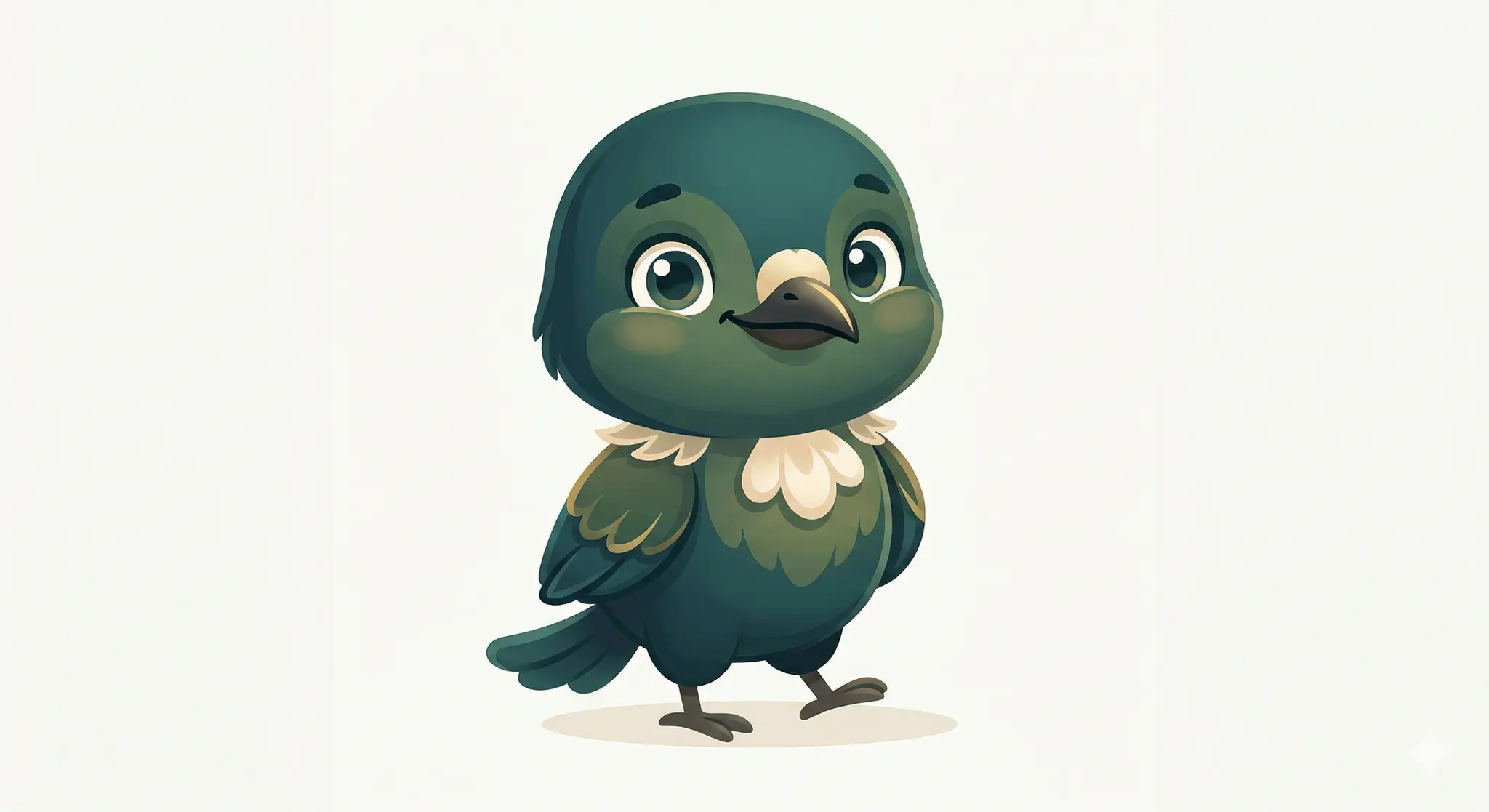
Tui
Primary guide and voice
Tui introduces each moment, repeats kupu aloud, and keeps the experience conversational, reassuring, and easy to follow.

Honu
Immersion and story
Honu slows the pace for listening, storytelling, and richer language understanding built through context.
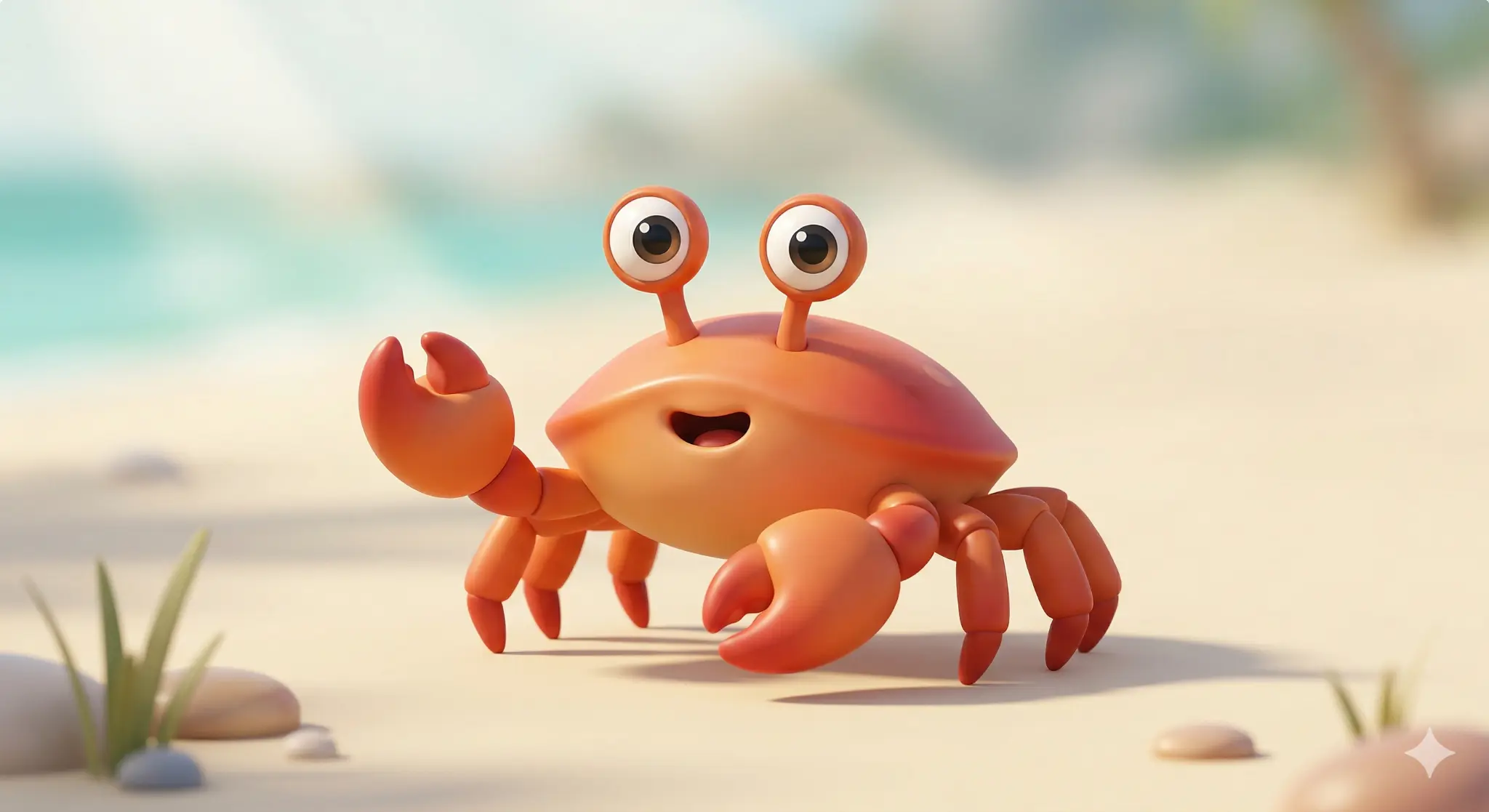
Kapa
Interaction and problem-solving
Kapa drives matching, choosing, and playful trial-and-error so children learn through doing, not through pressure.

Kā
Growth and progression
Kā gives progress a living form, showing steady growth through meaningful stages instead of hard-edged bars or scores.

Ahi
Consistency and return rhythm
Ahi gently marks daily use with warmth and familiarity, helping healthy habits form without heavy gamification.

Wai
Flow and adaptive support
Wai softens transitions, hesitation, and retries so momentum stays calm, confident, and uninterrupted.
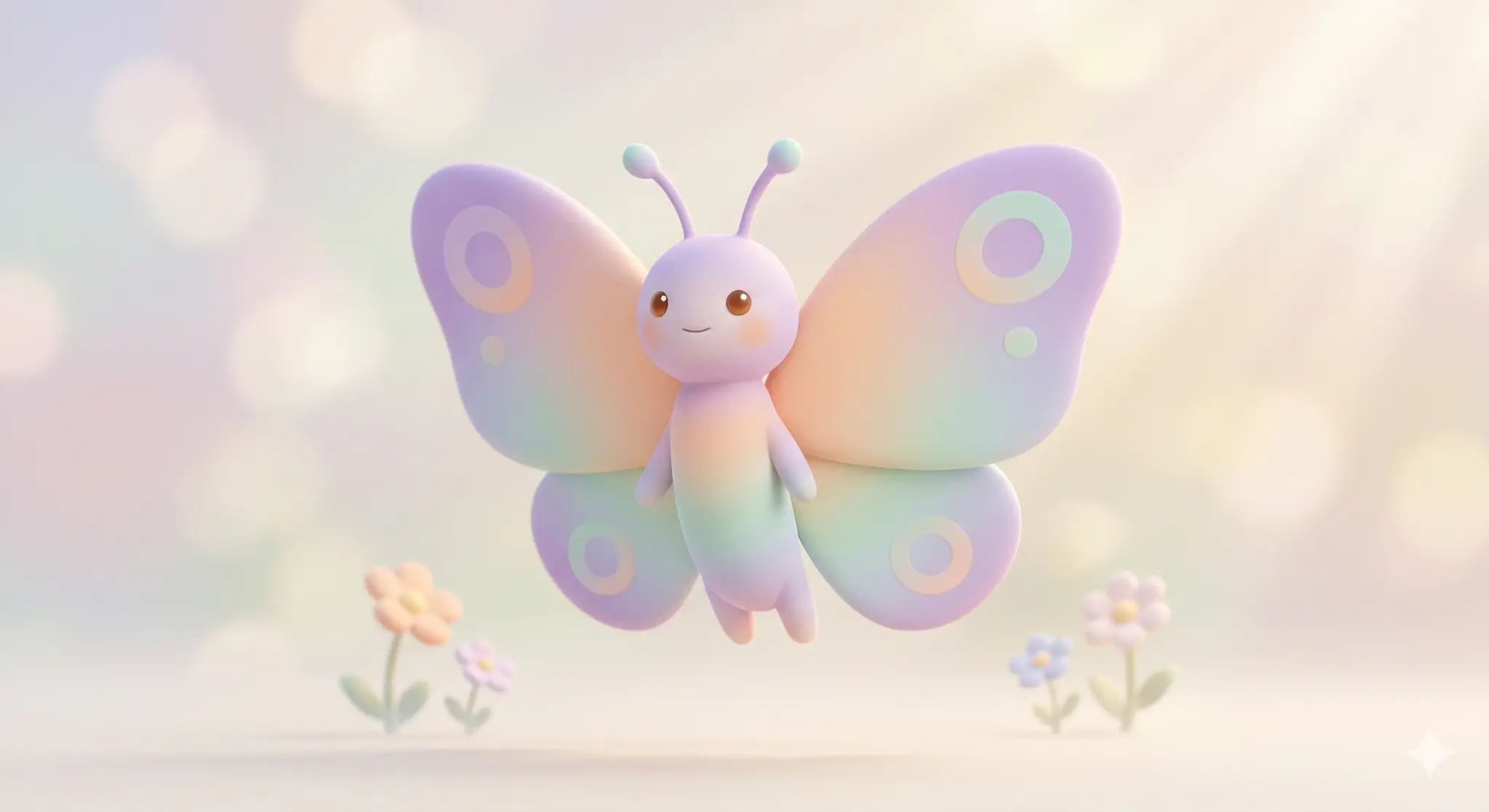
Rere
Encouragement and celebration
Rere appears in the lightest moments of success to reinforce confidence, delight, and emotional safety.
Join by role
Different pathways help whānau, kaiako, centres, kura, and community partners move toward the next step that fits them best.
Waitlist
Join as a parent, member of whānau, kaiako, kura, early learning provider, or community partner. Every expression of interest helps us understand the support, settings, and partnerships people need most.
Join by role
Different pathways help whānau, kaiako, centres, kura, and community partners move toward the next step that fits them best.
Waitlist
Join as a parent, member of whānau, kaiako, kura, early learning provider, or community partner. Every expression of interest helps us understand the support, settings, and partnerships people need most.
How Ako works
Ako Tamariki supports not just the child, but also the people helping bring te reo Māori into everyday routines around them.
Journey
A caregiver chooses a short session, the child follows Tui through spoken prompts, and home reo moments become easier to repeat.
Journey
Kaiako can picture where guided play, shared listening, and quiet repetition would fit into calm group routines.
Journey
Supporters can quickly see the pathway from cultural concept to practical daily learning impact for tamariki.
Whānau impact journey
A small audio-first moment can grow into routine, recall, and shared confidence around the child as te reo Māori becomes part of everyday life.
What this means for whānau
First listen
Tui introduces a kupu with a warm voice, a single illustration, and no pressure to perform.
First tap and recognition
The child starts matching sound and image, with quick praise making each attempt feel safe.
First repeat at home
A parent or caregiver hears the kupu echoed back during a meal, a car ride, or bedtime routine.
Growing confidence
The child begins recognising kupu faster, and whānau feel more confident weaving te reo Māori into everyday life.
How the learning journey works
A simpler three-step rhythm keeps the learning flow easy to understand at a glance.
Discover
Large illustrations, clear spoken prompts, and gentle motion help tamariki connect with new kupu without pressure or text-heavy instruction.
Recognise
Tamariki respond by tapping, listening, and exploring while the Tui guide offers immediate encouragement and makes learning feel safe to try again.
Grow
The journey supports learning at home and in early learning settings, with simple ways for adults to notice how confidence grows over time.
Choose the path that fits
Whānau, kaiako, centres, and partners can each move straight into the guidance, context, and next steps that matter most to them.
Why children return to it
Short sessions, spoken prompts, and gentle encouragement help tamariki stay engaged while whānau and kaiako feel clear about how to support the next step.
Grounded in everyday use
Ako Tamariki is shaped around short listening moments, repeated kupu, and practical support that can fit into everyday routines at home and in learning settings.